Effective note-taking is essential for productivity, whether you’re in a classroom, a meeting, or tackling a complex project. The right technique can enhance your understanding, retention, and organization of information. In this article, we’ll explore the top note-taking techniques to help you maximize your efficiency and get the most out of your notes.
Some links in this post may be affiliate links, meaning we earn a small commission if you make a purchase—at no extra cost to you. We only recommend products we trust and love!
1. The Cornell Method: Organize and Review Efficiently
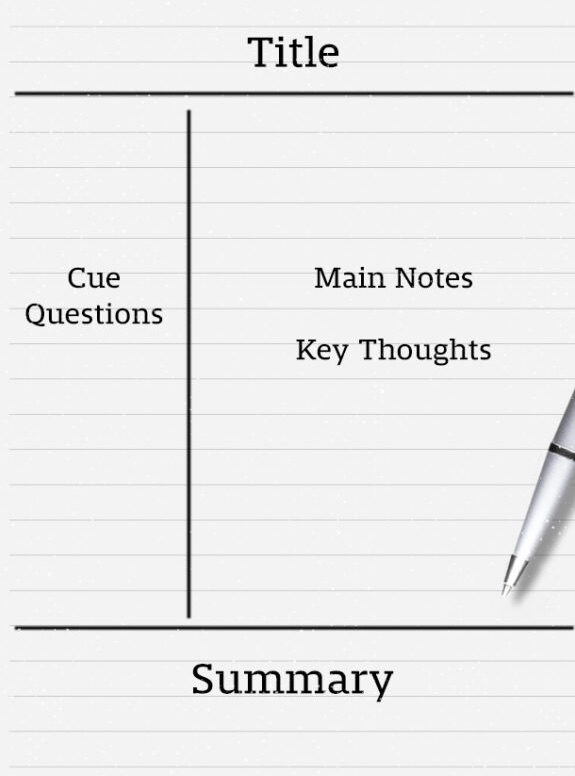
The Cornell Method is a systematic approach to note-taking that helps you review and retain information more effectively. Here’s how it works:
- Notes Section: Capture key details and main points during your lecture or meeting.
- Cues Section: Afterward, jot down keywords or questions to help you recall important concepts.
- Summary Section: At the bottom of the page, write a brief summary of the session.
Why It Works: This method structures your notes and highlights key points, making review sessions quicker and more productive.
2. Mind Mapping: Visualize and Connect Ideas
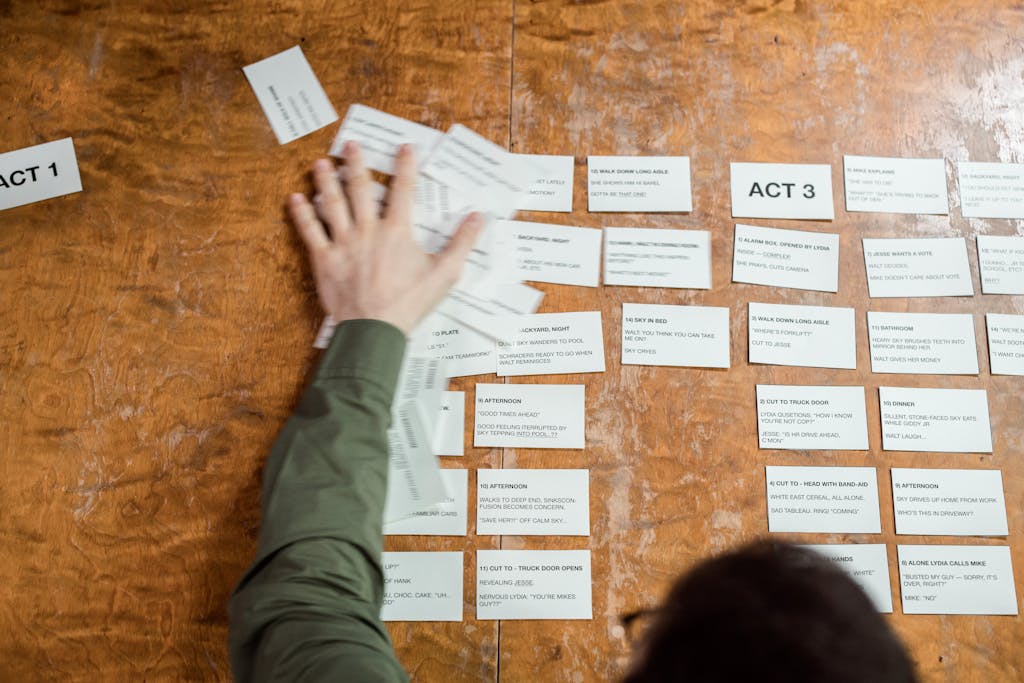
Mind Mapping involves creating a visual diagram that represents ideas and concepts. Start with a central topic and branch out into related ideas.
- Visual Representation: Use colors, images, and branches to map out information.
- Creativity: This technique encourages brainstorming and helps you explore ideas creatively.
Why It Works: Mind maps are great for organizing complex information and visualizing relationships between different concepts, making them ideal for project planning and studying.
3. The Outline Method: Structure and Clarity
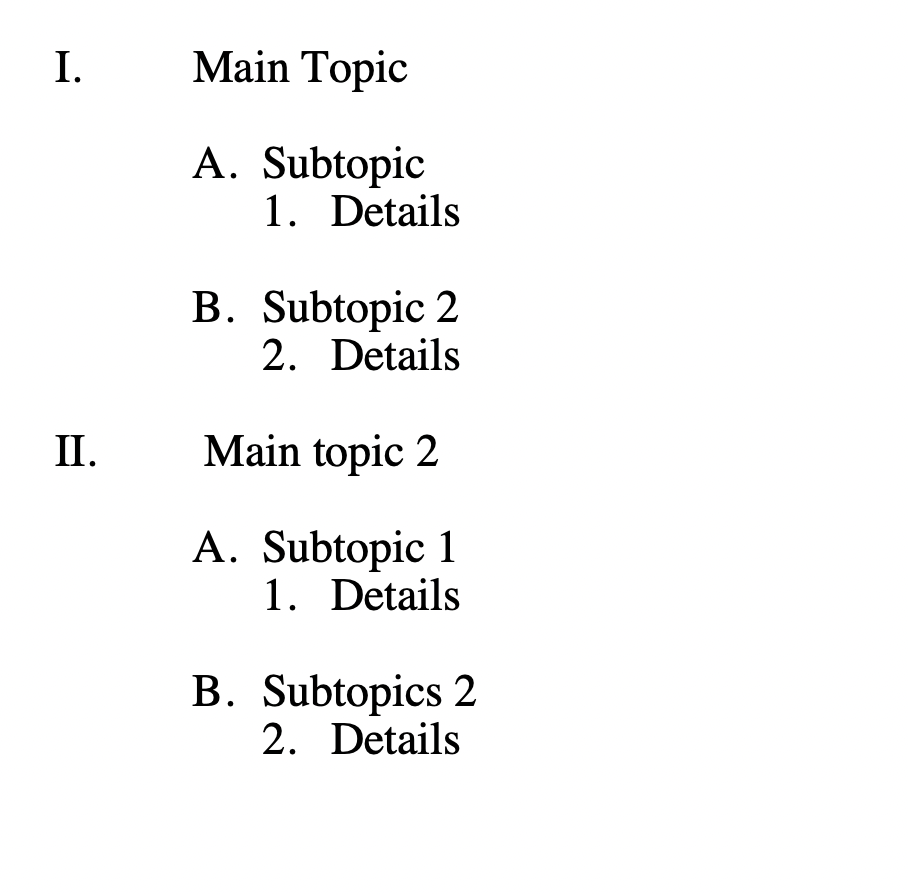
The Outline Method organizes notes hierarchically, which is perfect for subjects with structured content.
- Main Topics: Represented by Roman numerals (I, II, III).
- Subtopics: Represented by capital letters (A, B, C).
- Details: Represented by Arabic numerals (1, 2, 3).
Why It Works: This method helps you see the structure of the material and understand how different concepts are related, making it easier to follow and review.
4. The Charting Method: Organize and Compare Data
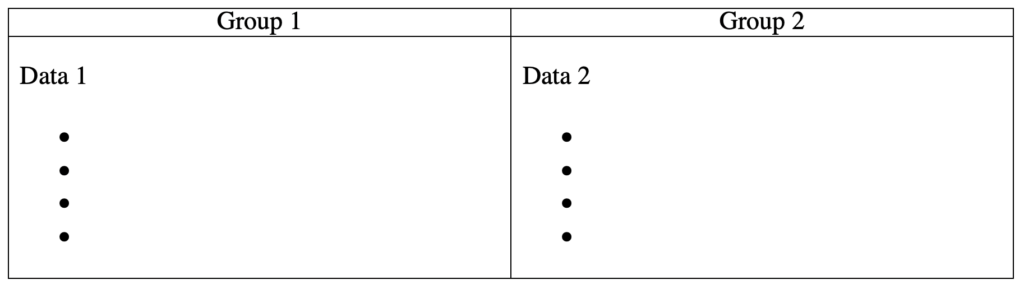
The Charting Method uses tables to categorize and compare information, ideal for data-heavy subjects.
- Columns and Rows: Create tables with columns for categories and rows for details.
- Organized Layout: This format makes it easy to compare and analyze data.
Why It Works: The Charting Method is excellent for organizing large amounts of data and spotting patterns, helping you analyze information efficiently.
Tips for Effective Note-Taking
To get the most out of these techniques, keep these tips in mind:
- Be Clear and Concise: Focus on key points rather than transcribing everything verbatim.
- Use Abbreviations and Symbols: Develop a system to speed up your note-taking.
- Review Regularly: Revisit your notes frequently to reinforce learning and ensure accuracy.
- Stay Organized: Use headings, bullet points, and highlights to make important information stand out.
Conclusion
Choosing the right note-taking technique can transform how you capture and use information. Whether you prefer the structured approach of the Cornell Method, the visual clarity of Mind Mapping, the organized layout of the Outline Method, or the comparative precision of the Charting Method, each technique offers unique benefits. Experiment with these methods to find the best fit for your needs and boost your productivity today!